The HDF & FIVA Preservation Award in Honor of Dr. Frederick Simeone:
1957 Chrysler Super Dart 400
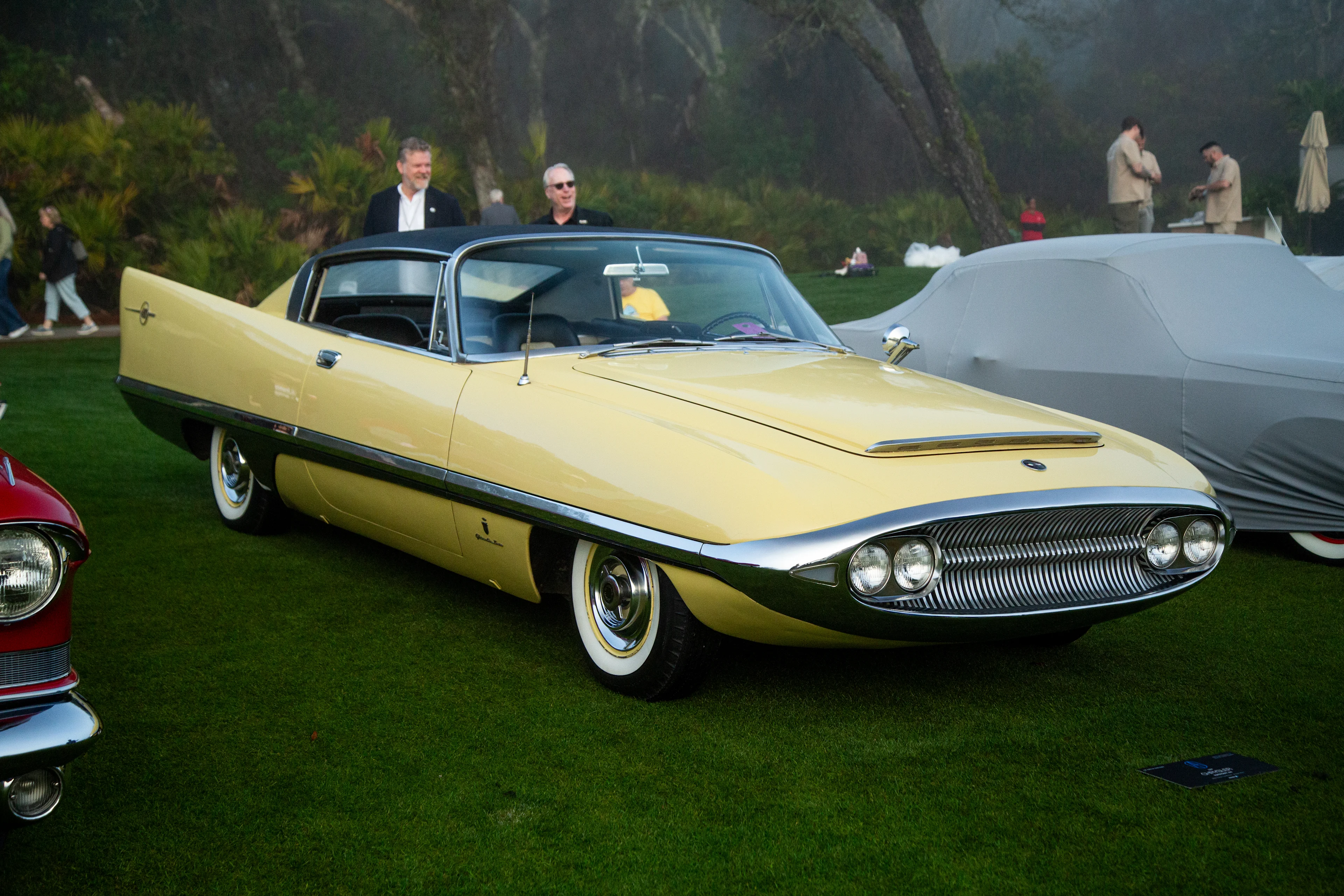
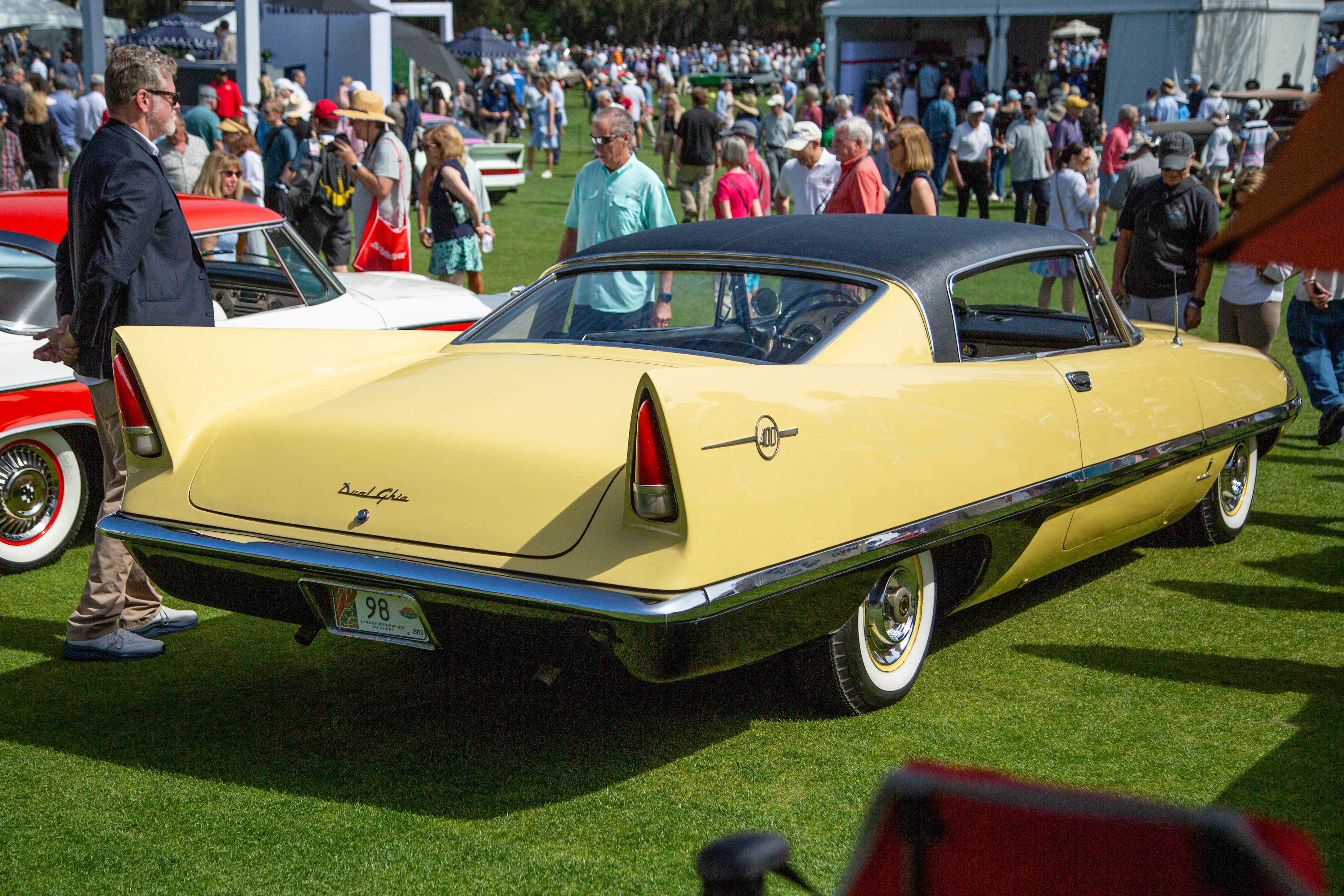
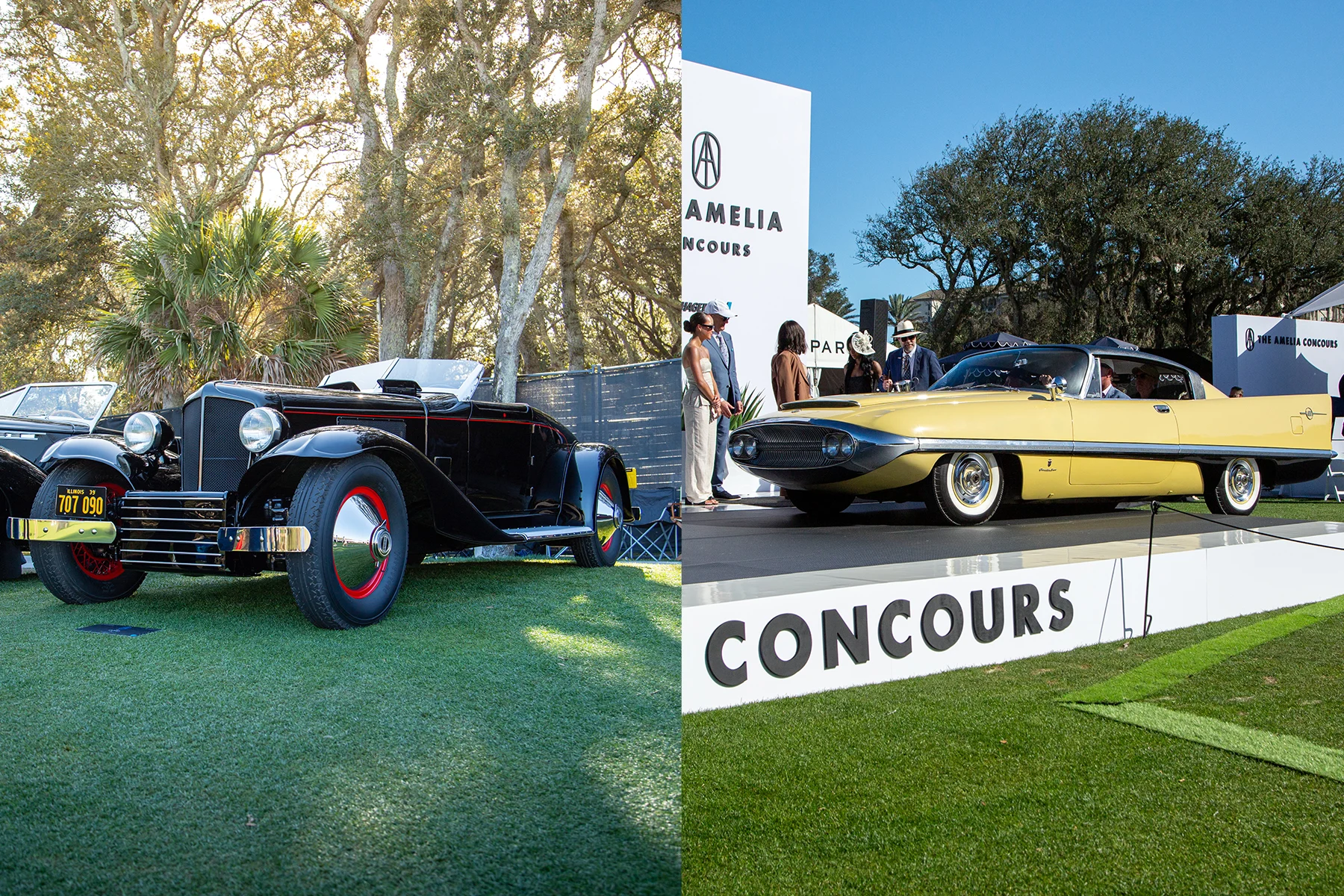
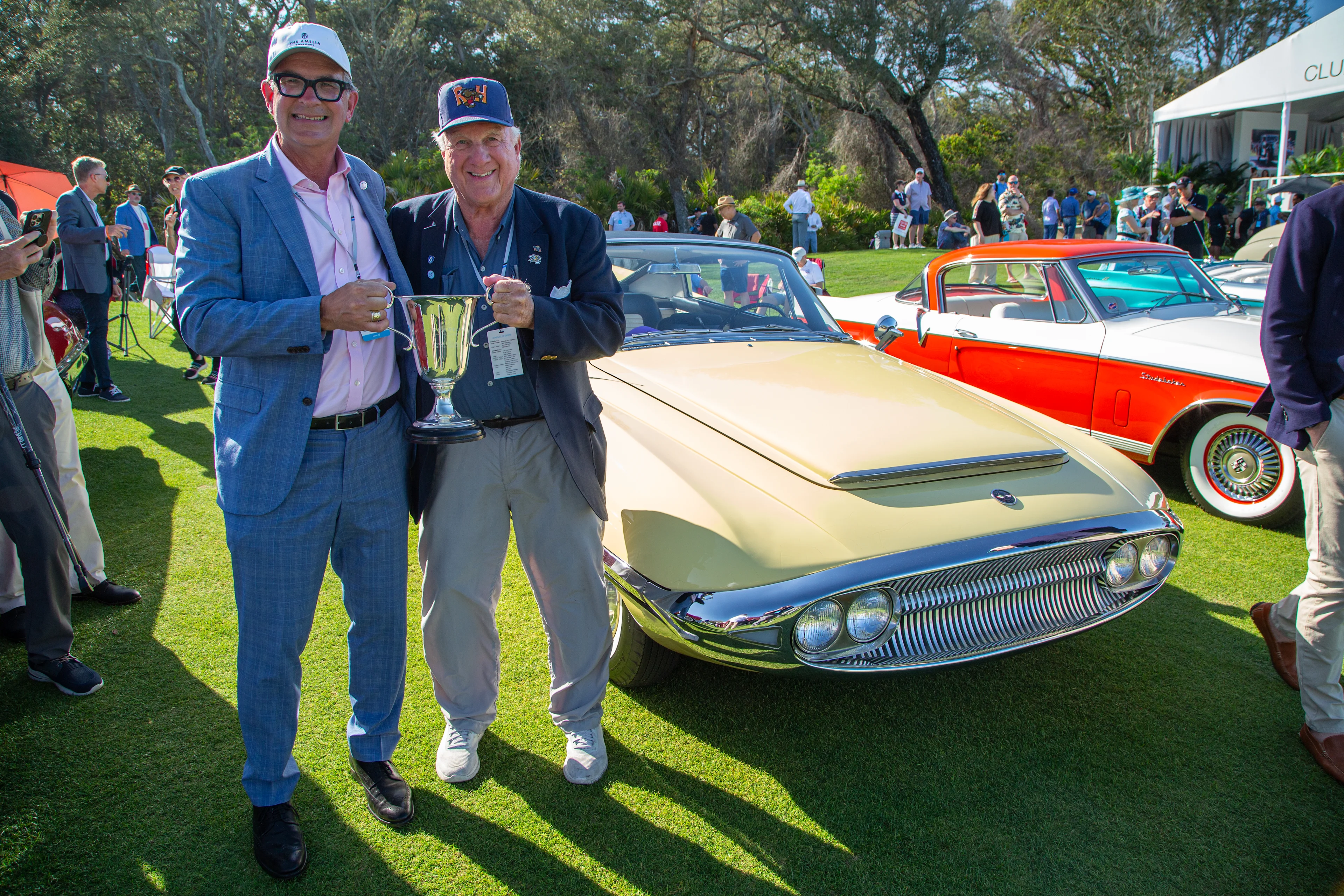
Shown by the Maine Classic Car Museum at the 2026 Amelia Concours, this 1957 Chrysler Super Dart 400 received the Hagerty Drivers Foundation & FIVA Preservation Award, which celebrates the preservation of our automotive treasures. Administered with FIVA (the Fédération Internationale des Véhicules Anciens or International Federation of Historic Vehicles), the Hagerty Drivers Foundation has honored many incredibly well-preserved treasures at major national and international events. The Preservation Award is presented in honor of Dr. Fred Simeone, a champion in the preservation of historic vehicles.
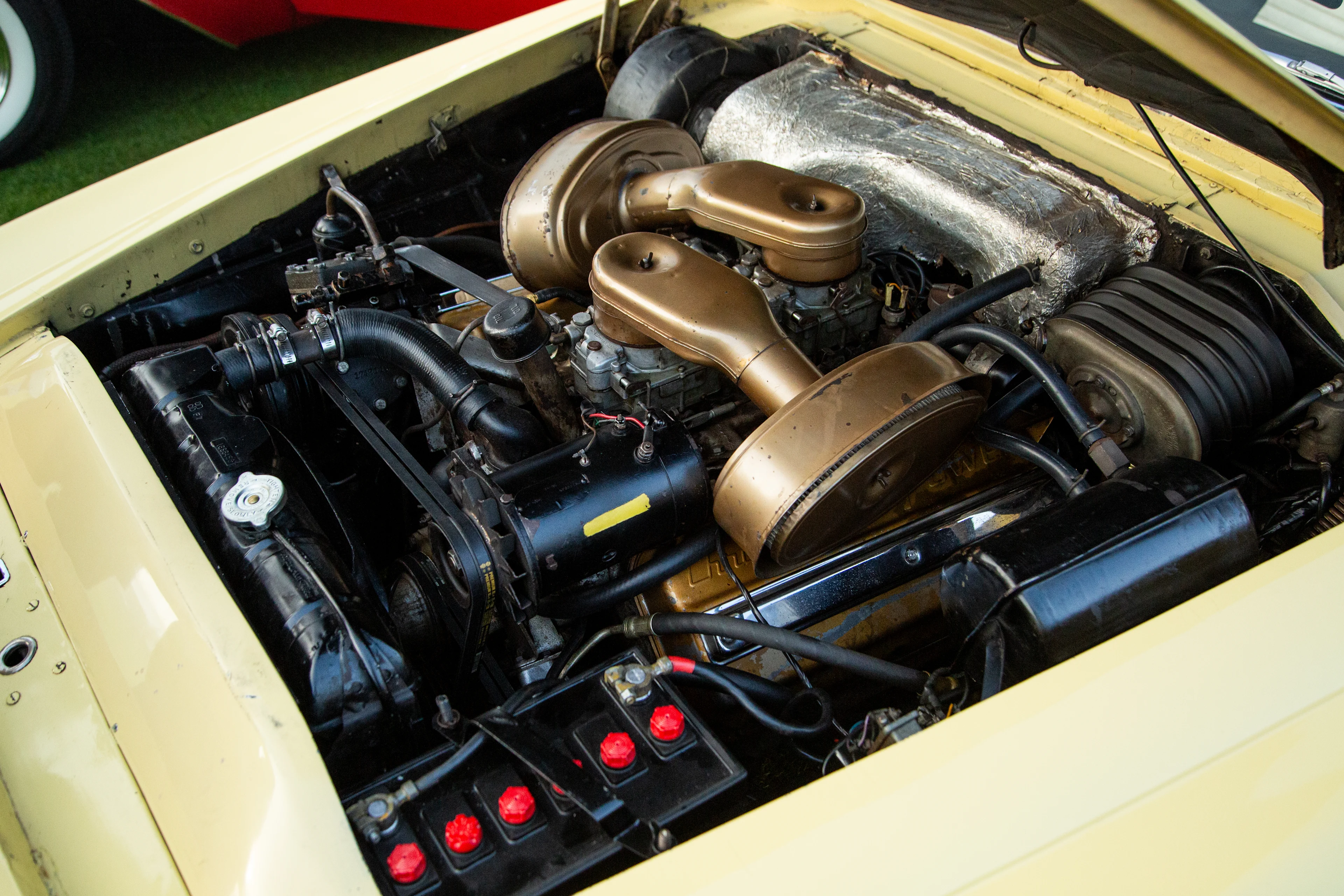
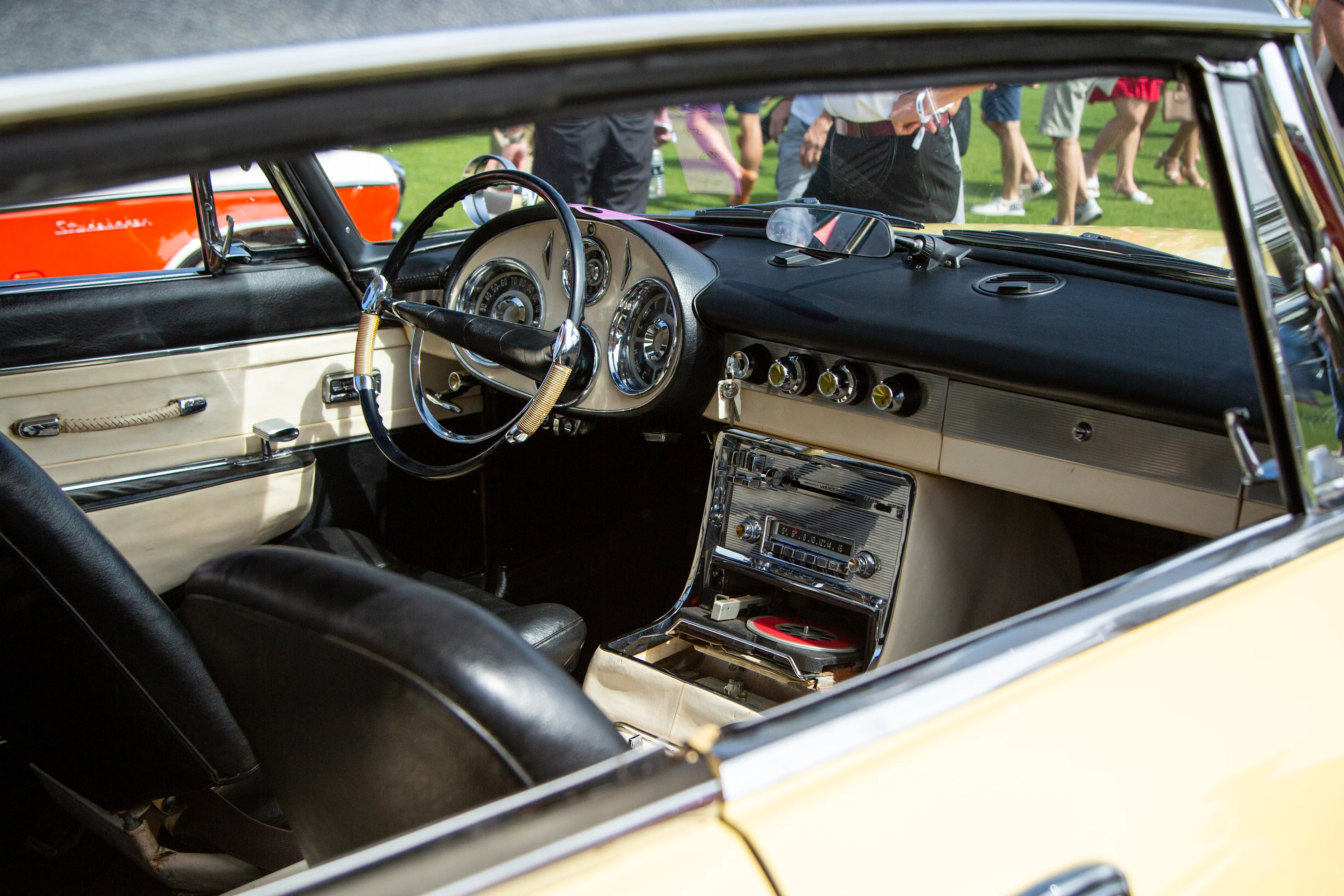
The Chrysler Super Dart 400 made its debut at the 1957 Turin Motor Show. With a body styled by Virgil Exner, hand-hammered by Carrozzeria Ghia in Italy, and built atop a Chrysler 300C chassis, this is one in a series of Chrysler show cars designed to showcase Chrysler’s engineering prowess. The “400” in the name references the power under the hood: a high compression, dual-quad, 392 Hemi V8 producing 400 horsepower. The Super Dart 400 isn’t just a pretty face with a big engine, however. Inside, it is packed with technology. Dual A/C, disc brakes, power seats, power windows, and even a record player dubbed the “Highway Hi Fi”, which plays proprietary 16 RPM records through the car’s stereo.
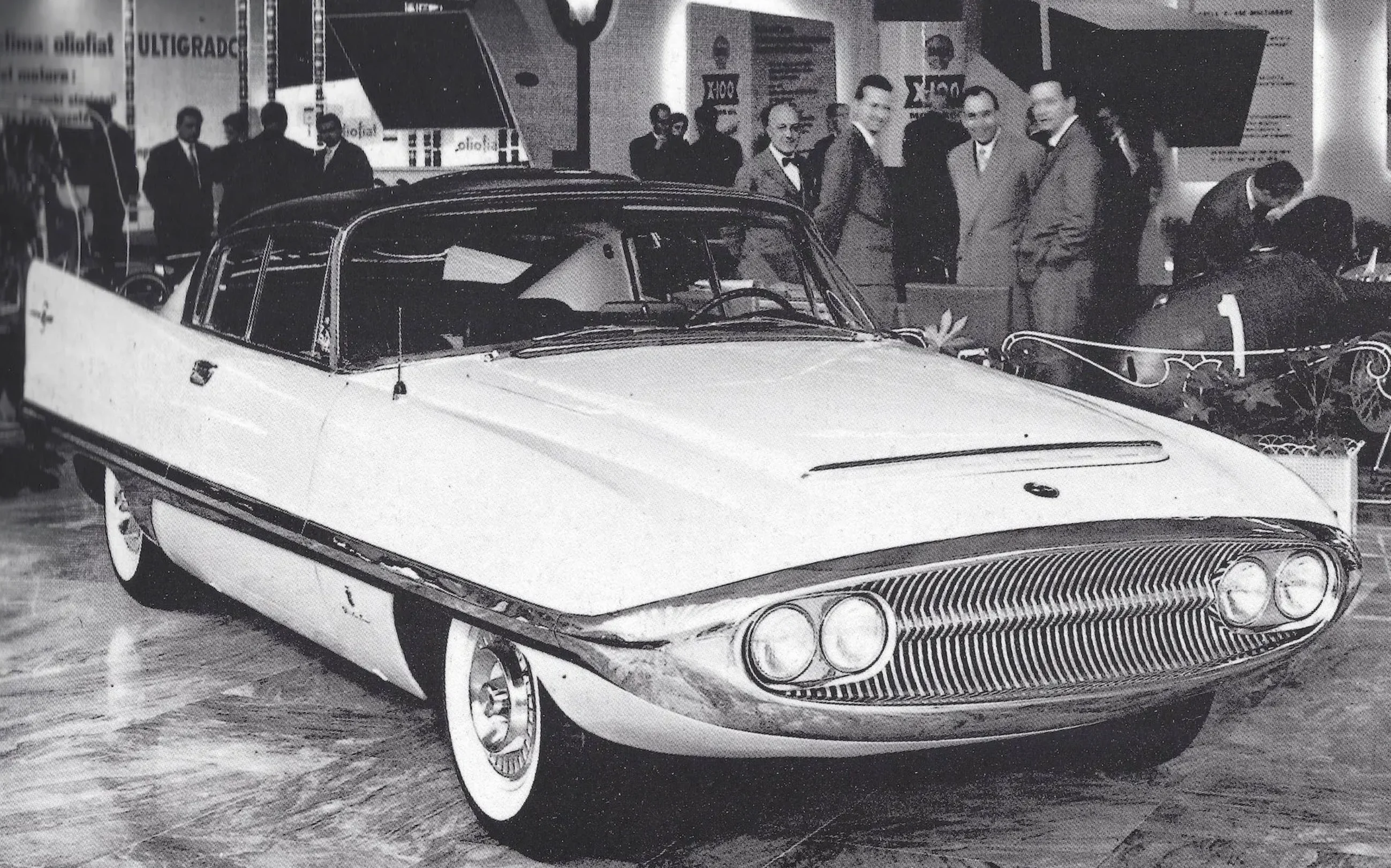
Following the unveiling at the Turin Motor Show, the Super Dart 400 was purchased by Dual Motors, who swapped the badges and showed it in 1958 as the “Dual Ghia.” At the 1958 New York Auto show, an attendee named Alex Freeman was so smitten with the car that he reportedly offered Dual Motors a blank check. He was able to purchase the car after it completed the show circuit for $15,000, equivalent to over $170,000 in 2026.
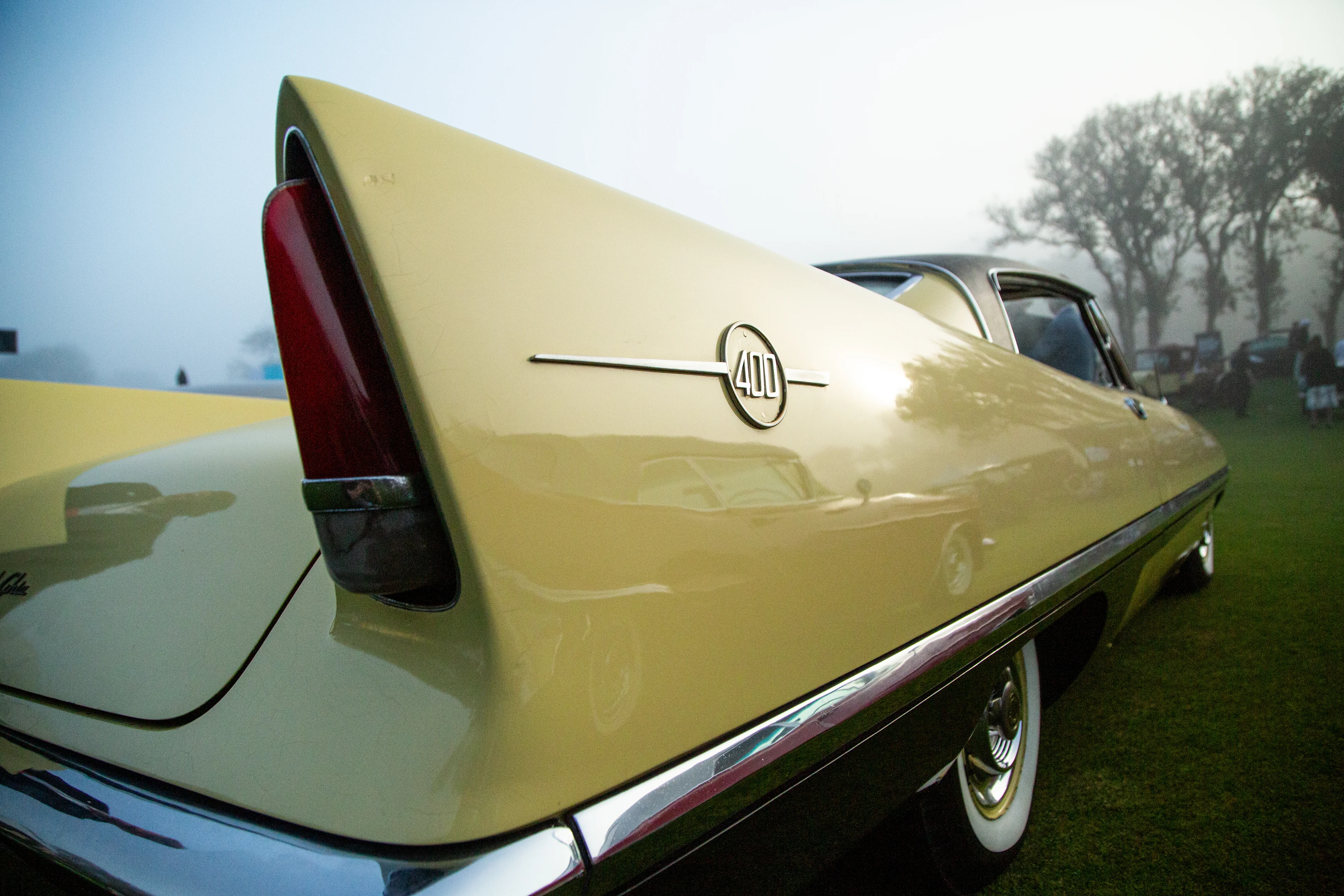
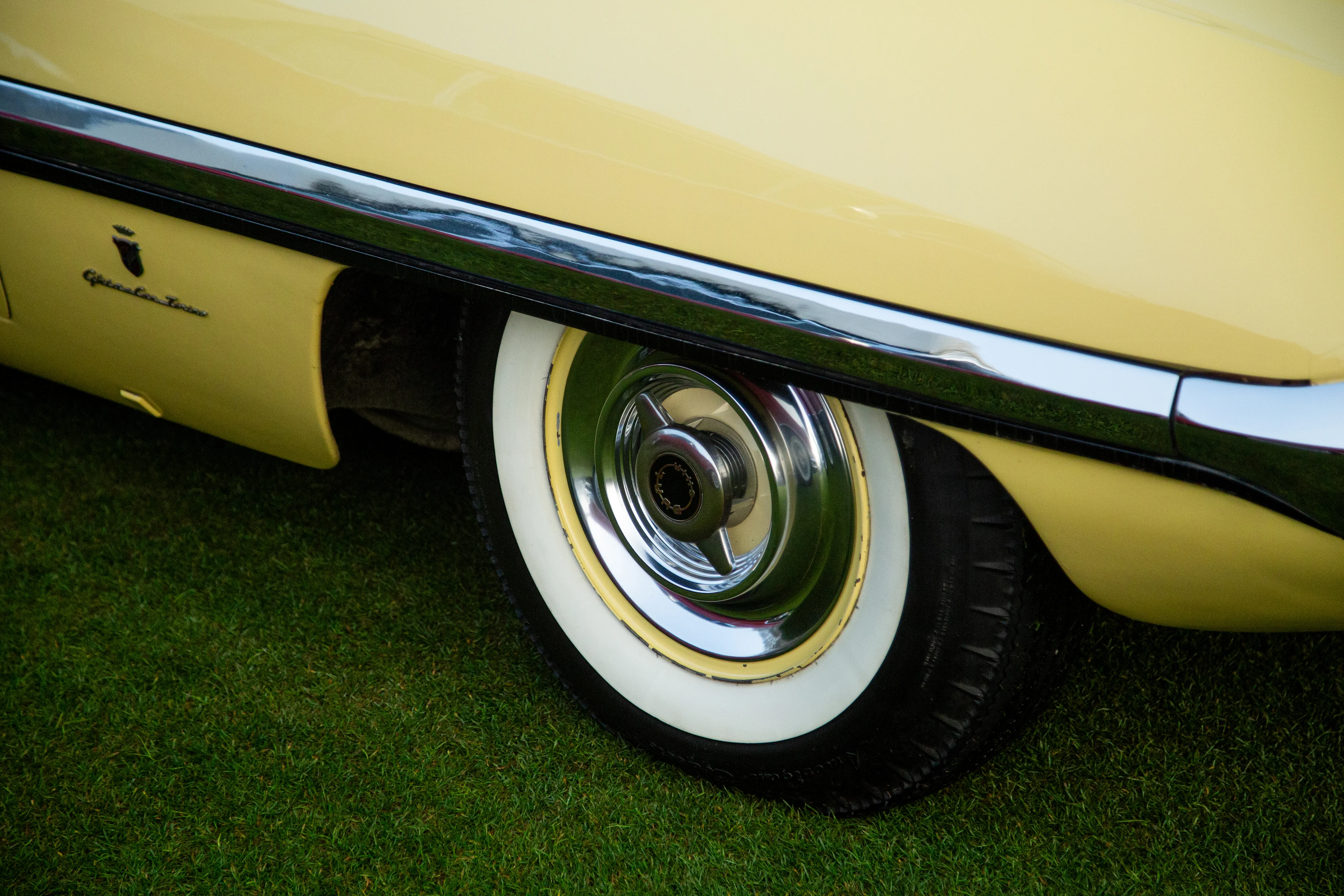
Freeman accumulated over 38,000 miles on the odometer but always took great care of the show car. Decades later, the Super Dart 400 remains in amazing unrestored condition, sporting its original Ghia craftsmanship and finishes that have aged gracefully with careful use and maintenance. Even the Highway Hi Fi still operates!

______________________________________________________________________________________________
National Automotive Heritage Award:
1930 Cord L-29 Custom Peck/Stevens Speedster
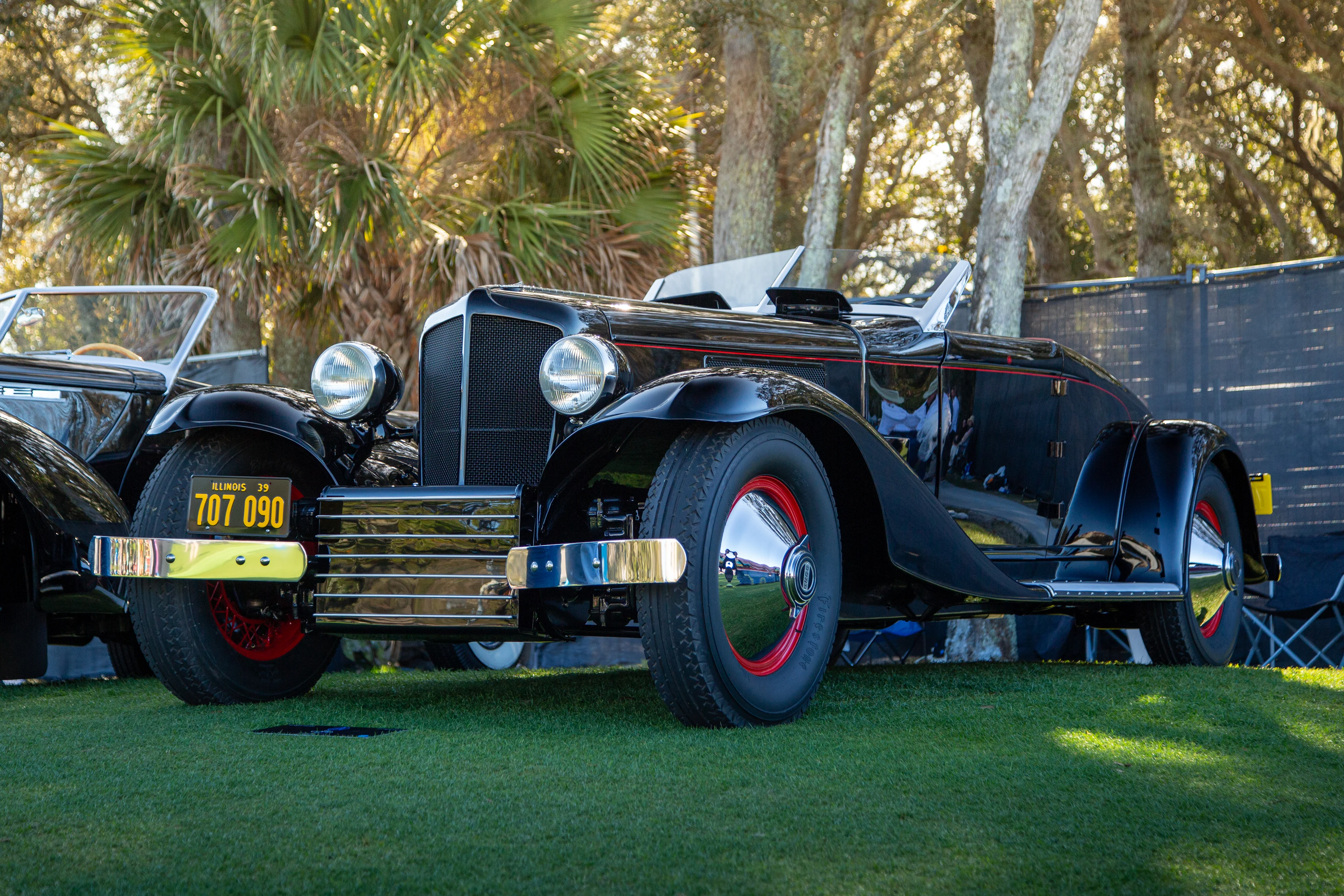
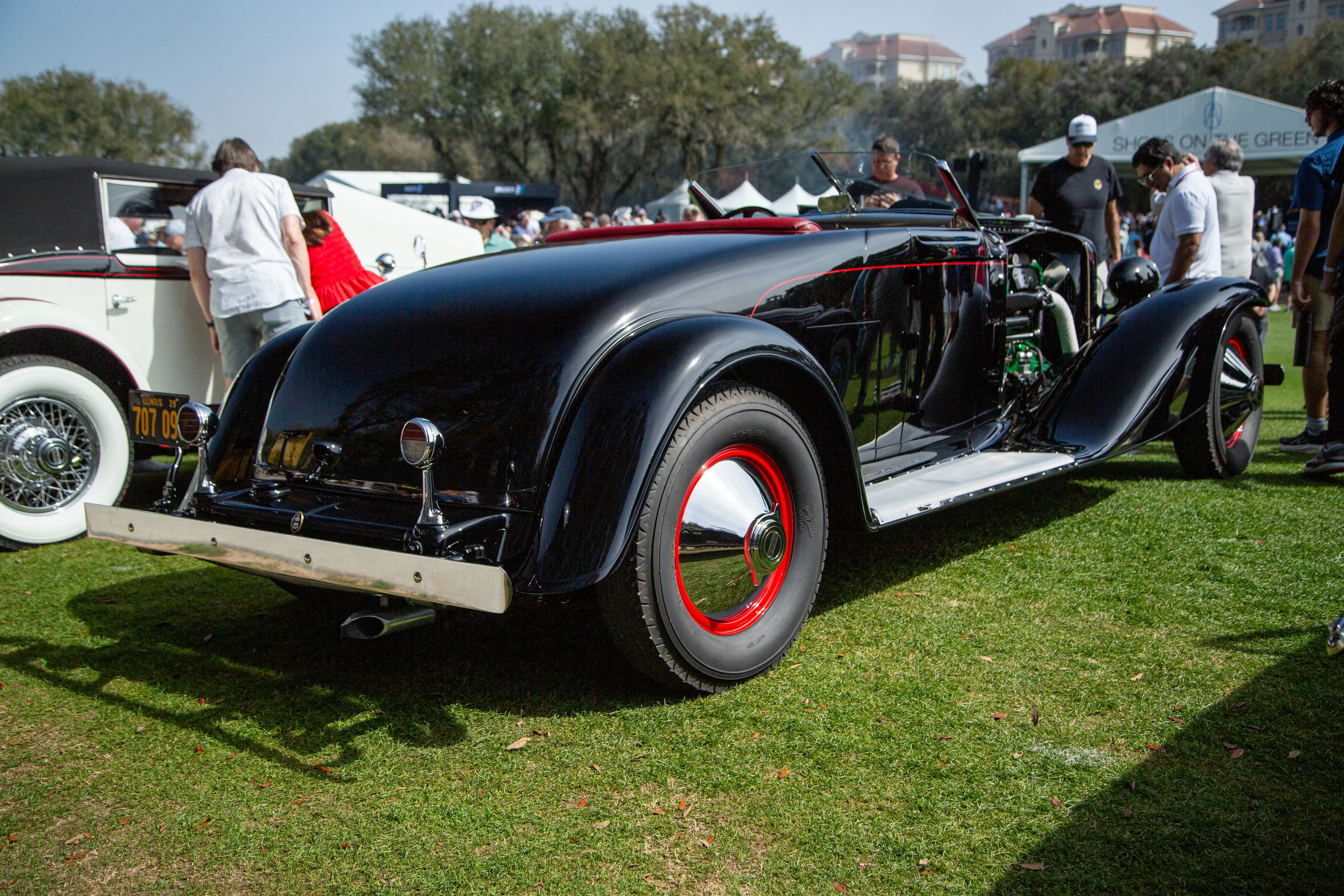
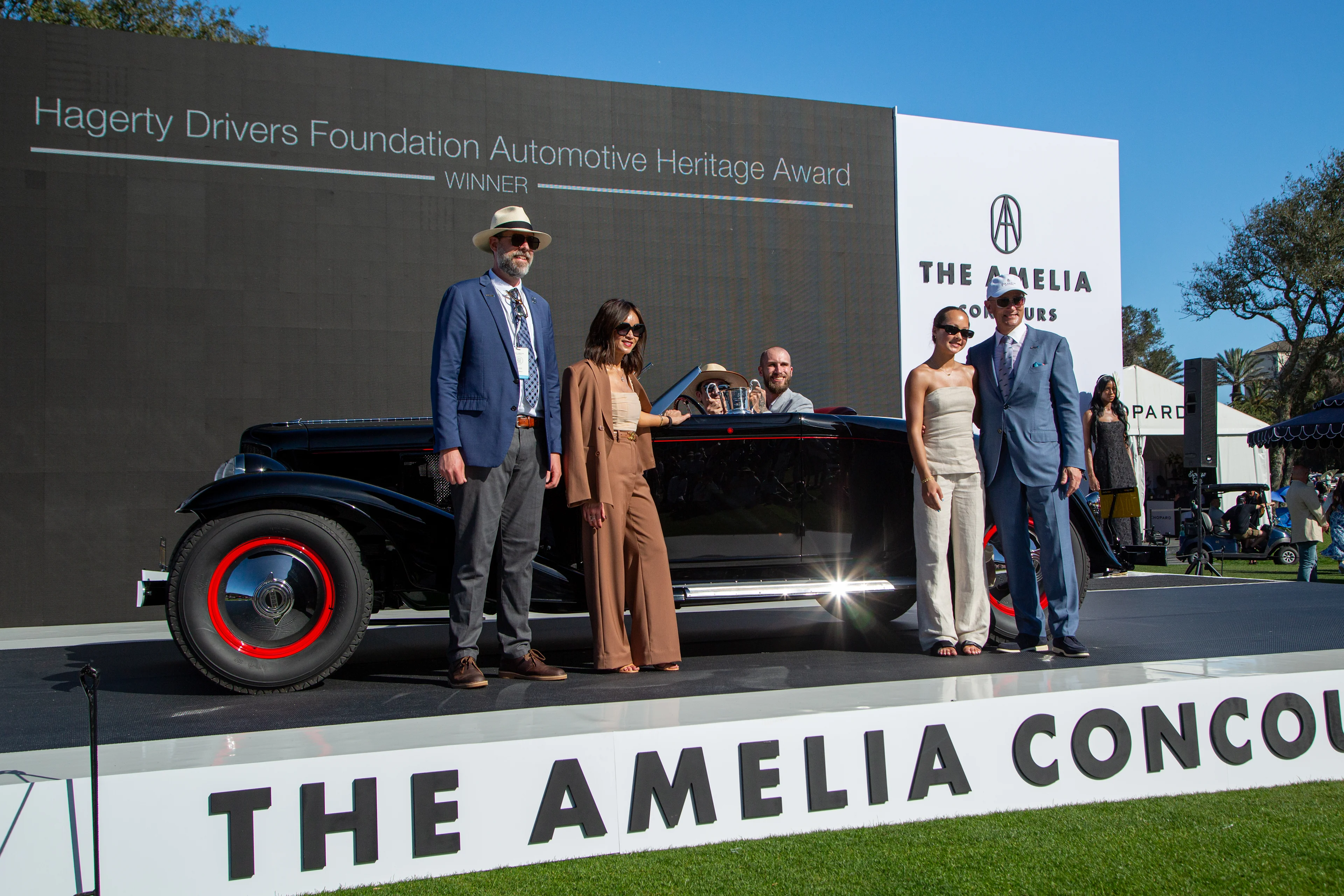
Recognizing its important contribution to American and automotive history, we selected this 1930 Cord L-29 Custom Peck/Stevens Speedster for the Automotive Heritage Award. This award celebrates vehicles that are historically important to our past and is presented by the Hagerty Drivers Foundation based on the criteria of the National Historic Vehicle Register.
The Cord L-29 was among America’s first mass-produced front-wheel drive cars, with approximately five thousand built from 1929 to 1932. This specific L-29 carrying serial number FDA3513 has led a more unusual life than most Cords. Noted early automobile collector D. Cameron Peck commissioned a budding young industrial designer – Brooks Stevens – to customize the 9-year-old Cabriolet in 1939. Coinciding with the very early era of car customization as we know it today, Peck and Stevens left virtually no part of the body untouched, smoothing it into a sleek speedster format.
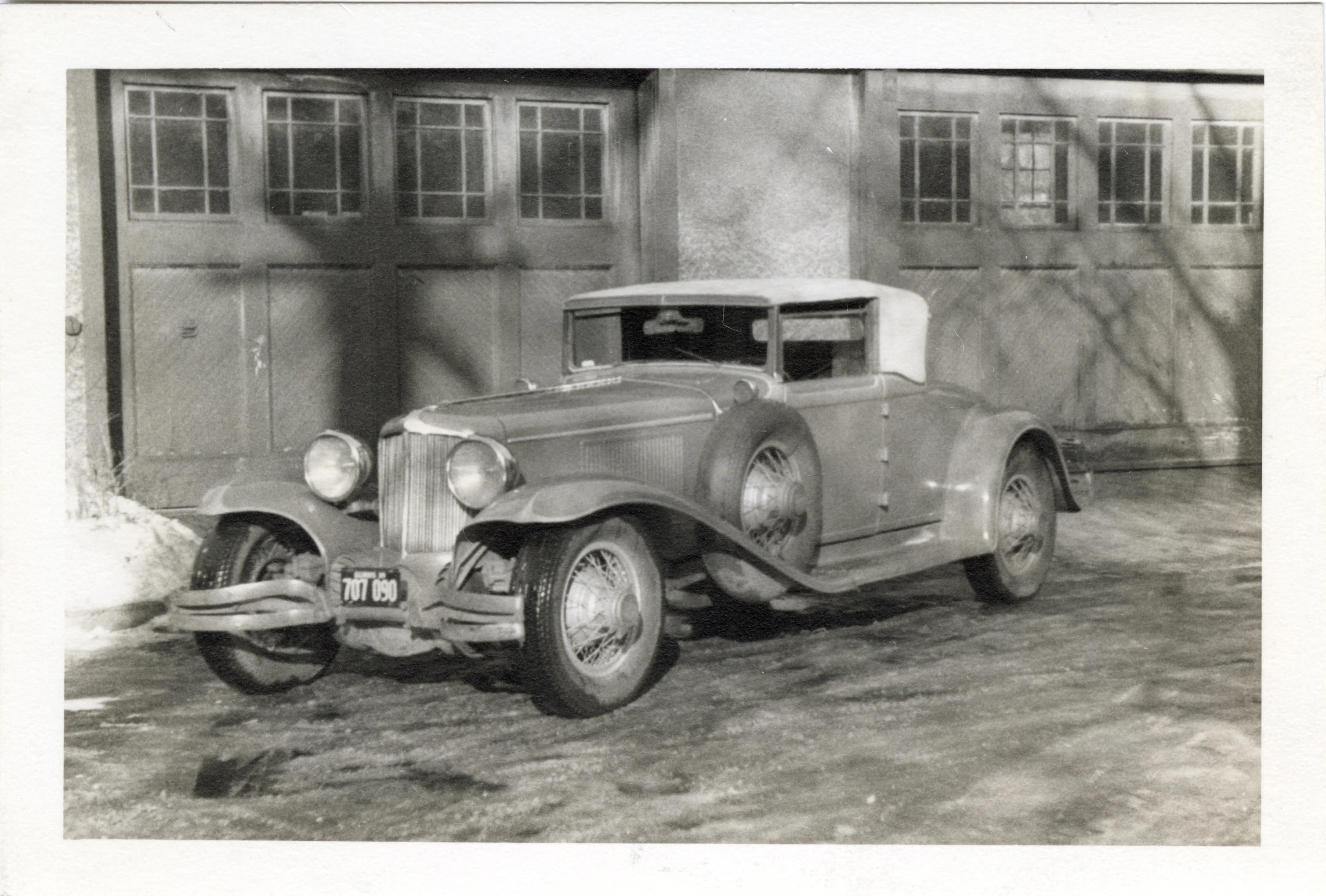
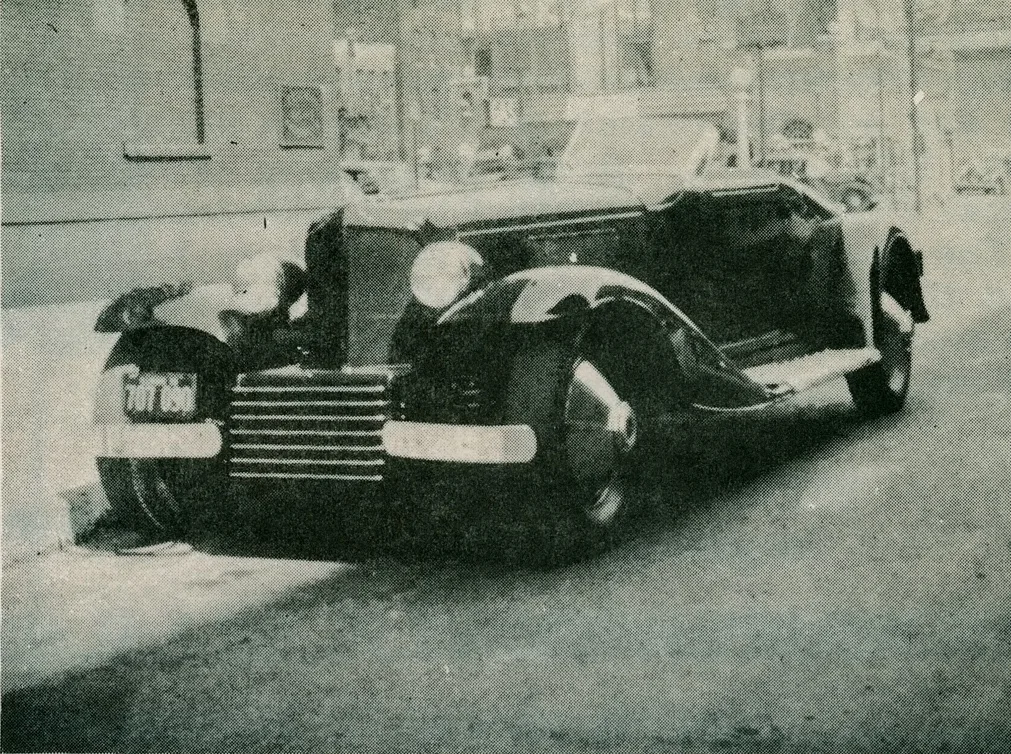
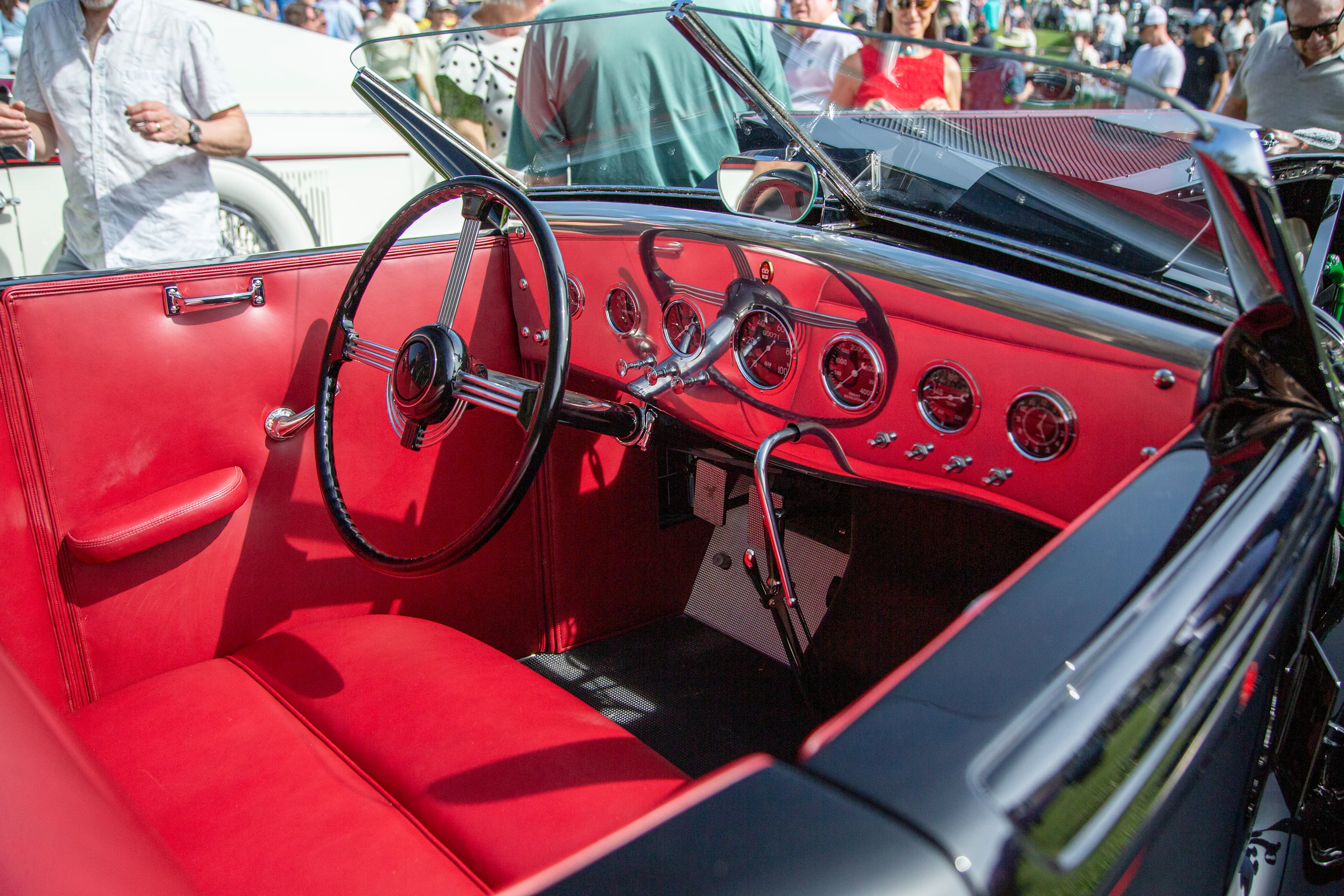
Stevens incorporated numerous customizations, including the removal of the rumble seat and convertible top, the addition of skirted fenders, shaving of extraneous trim and handles, a custom front shroud concealing a ballast for weight distribution, and the addition of a racy, laid-back windshield. While certain plated components such as the radiator shell and grilles were painted in black, the running boards and wire wheels were clad in bright aluminum trim. Inside the car, a polished aluminum dashboard framed instruments from an Auburn, and the steering wheel sourced from a Chrysler Airflow. Under the hood, the Cord retained its Lycoming inline eight-cylinder engine and front-wheel drive layout.
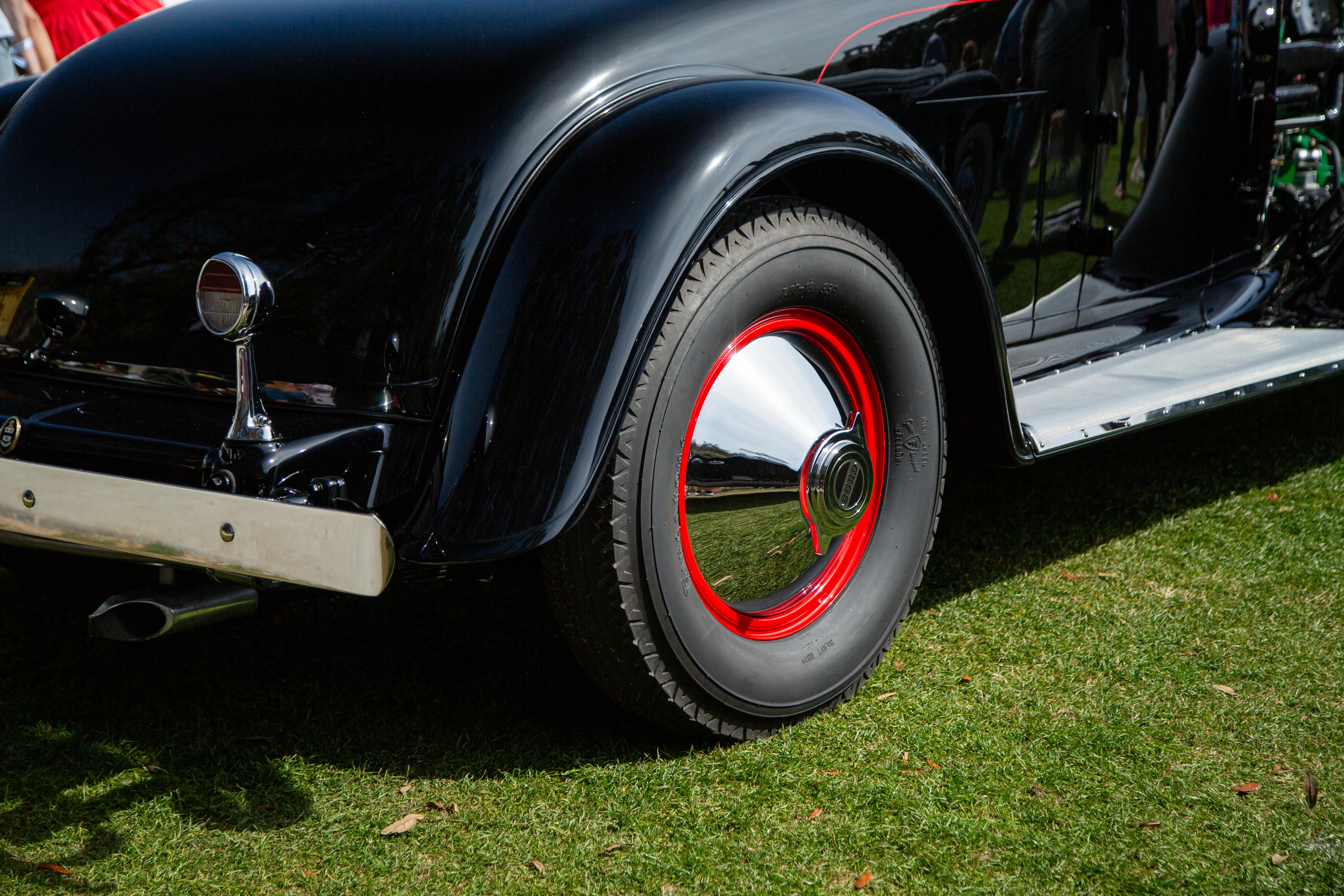
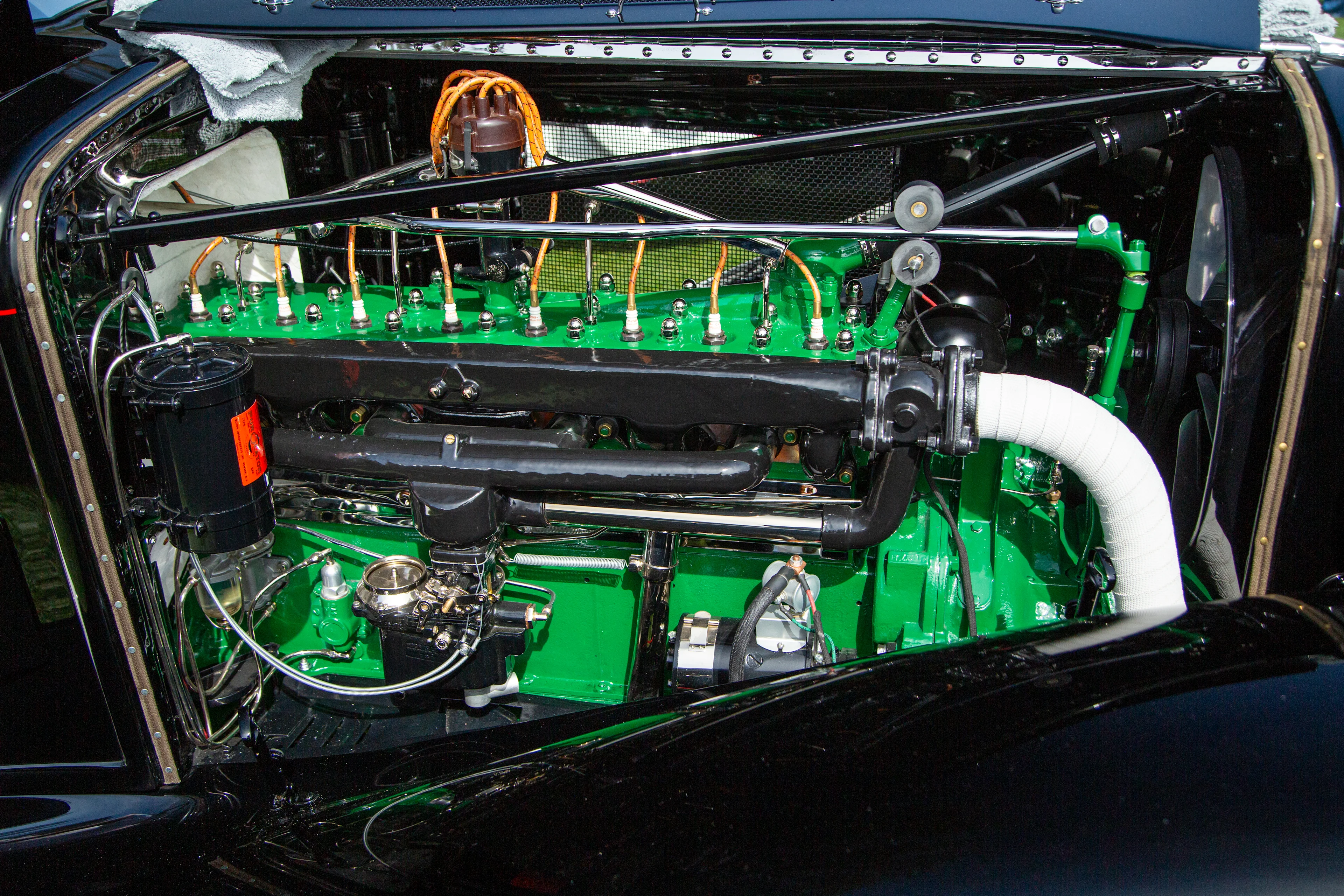
Although the modifications to this Cord made it a standout, it was nearly lost to time. As with many significant cars, it went through a period of relative obscurity, passing through the hands of multiple owners after Peck’s ownership. By the 1950s, classics such as the Cord had a strong community of collectors, but there was a major emphasis on restoration to factory specifications. In a period publication, the Peck/Stevens Speedster was even referred to as “The Bastardized Cord”, demonstrating the attitude of collectors at this time. Through the 1960s and ‘70s, William Kinsman, editor of the ACD club newsletter and new owner of the car, compiled research that shed light on the car’s history. Later, subsequent owners began disassembly to prepare for a full restoration to revert the car to its factory configuration. The project eventually stalled and the Cord’s whereabouts became unknown for years, until being acquired by Brian Cunat.
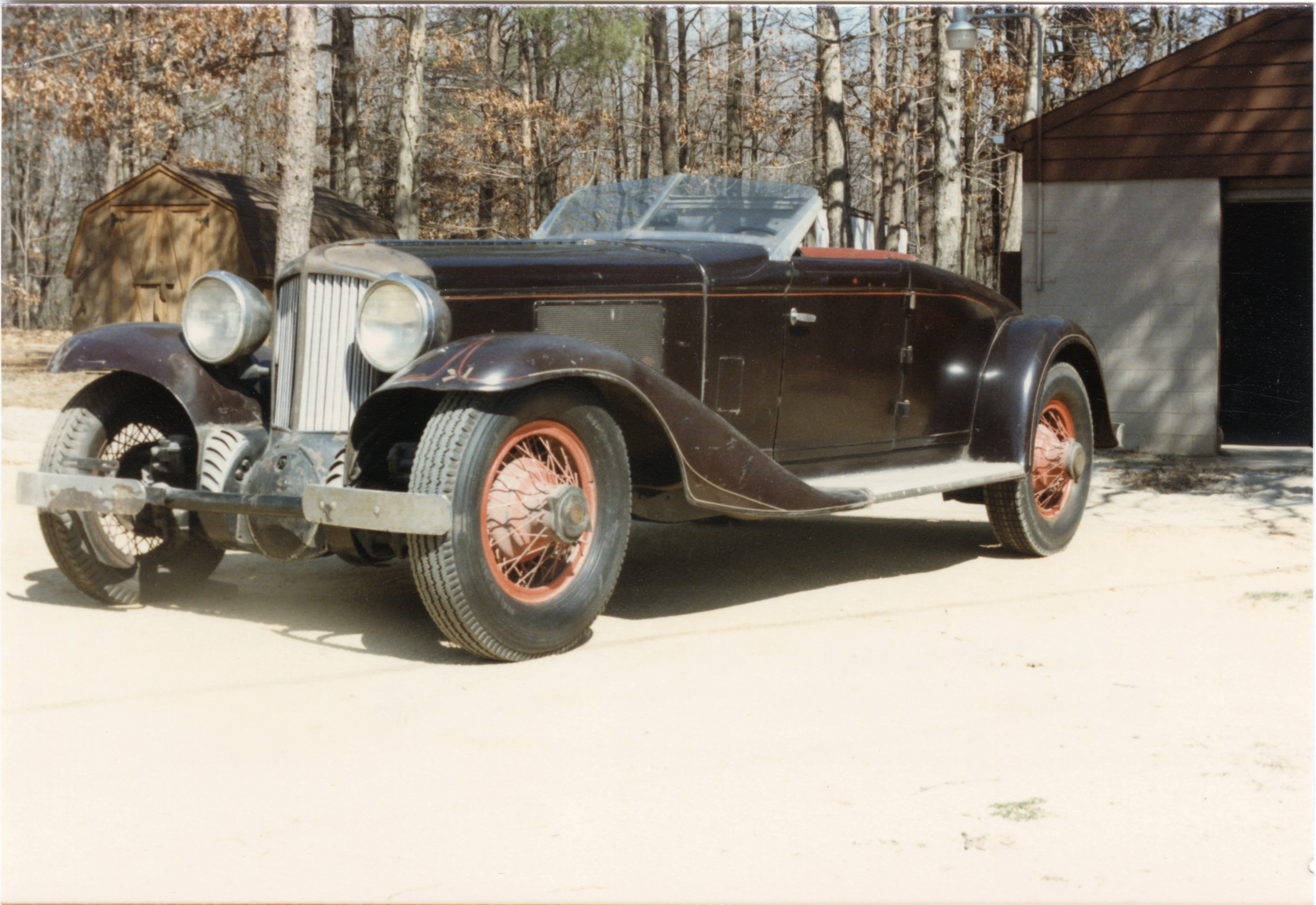
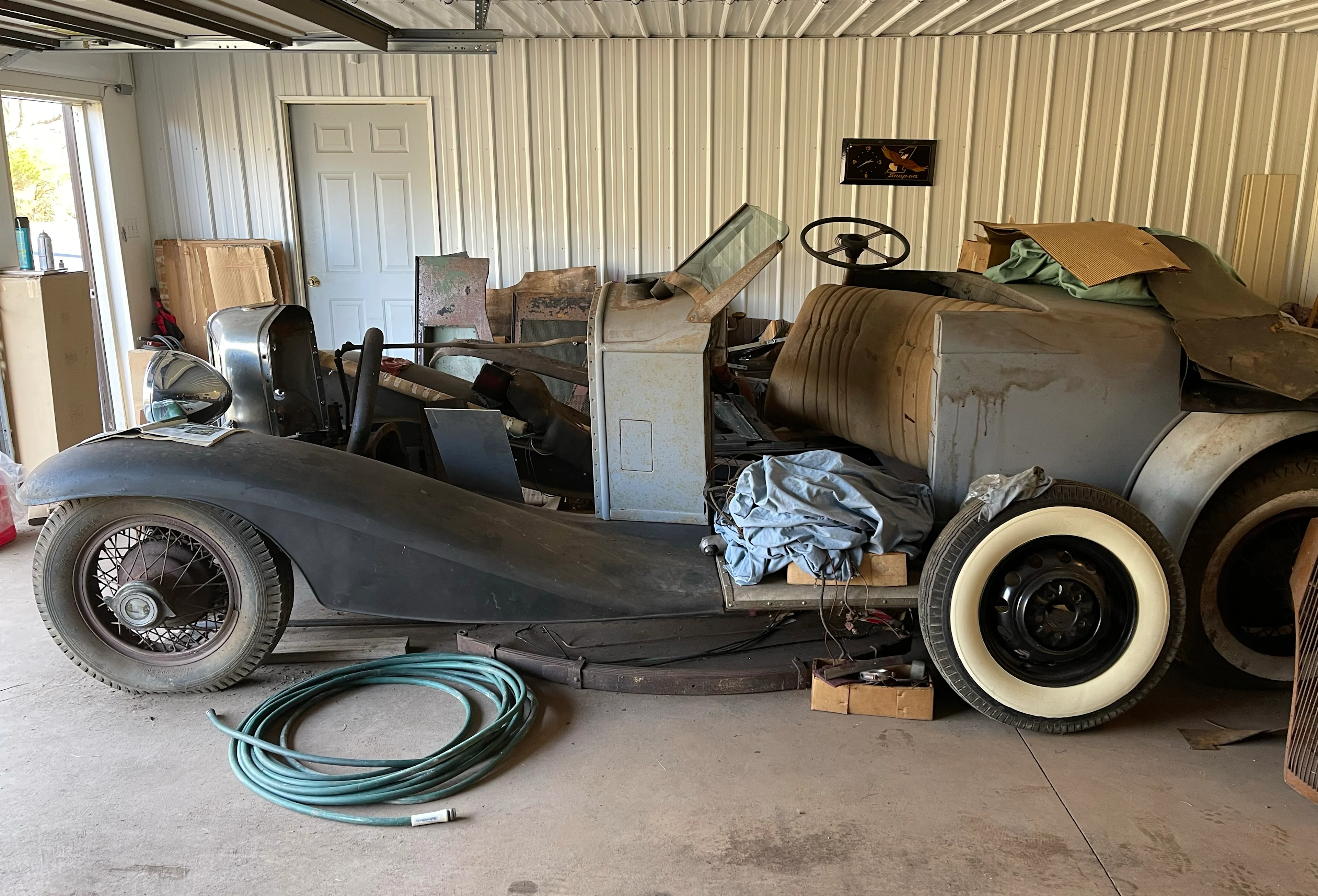
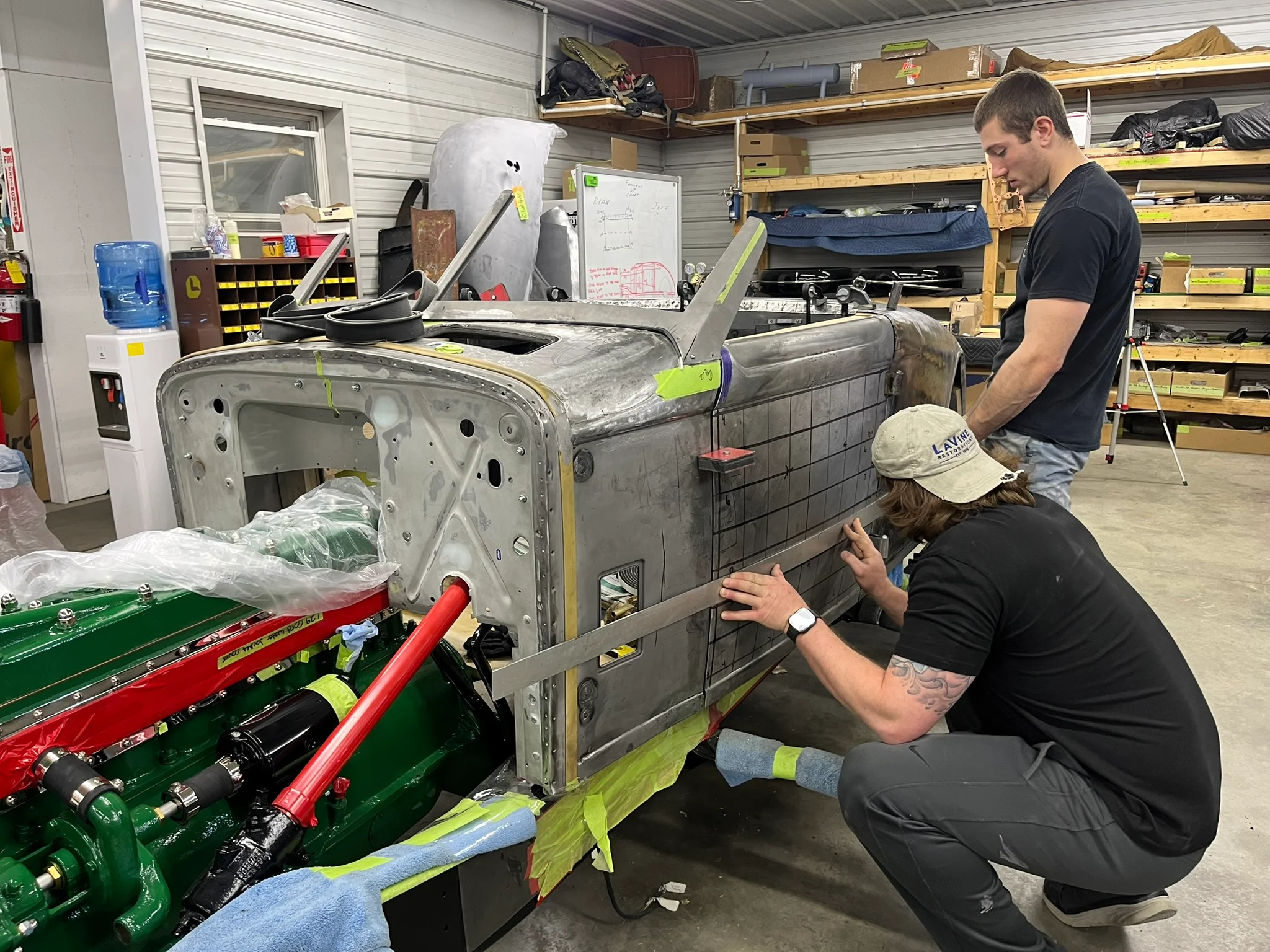
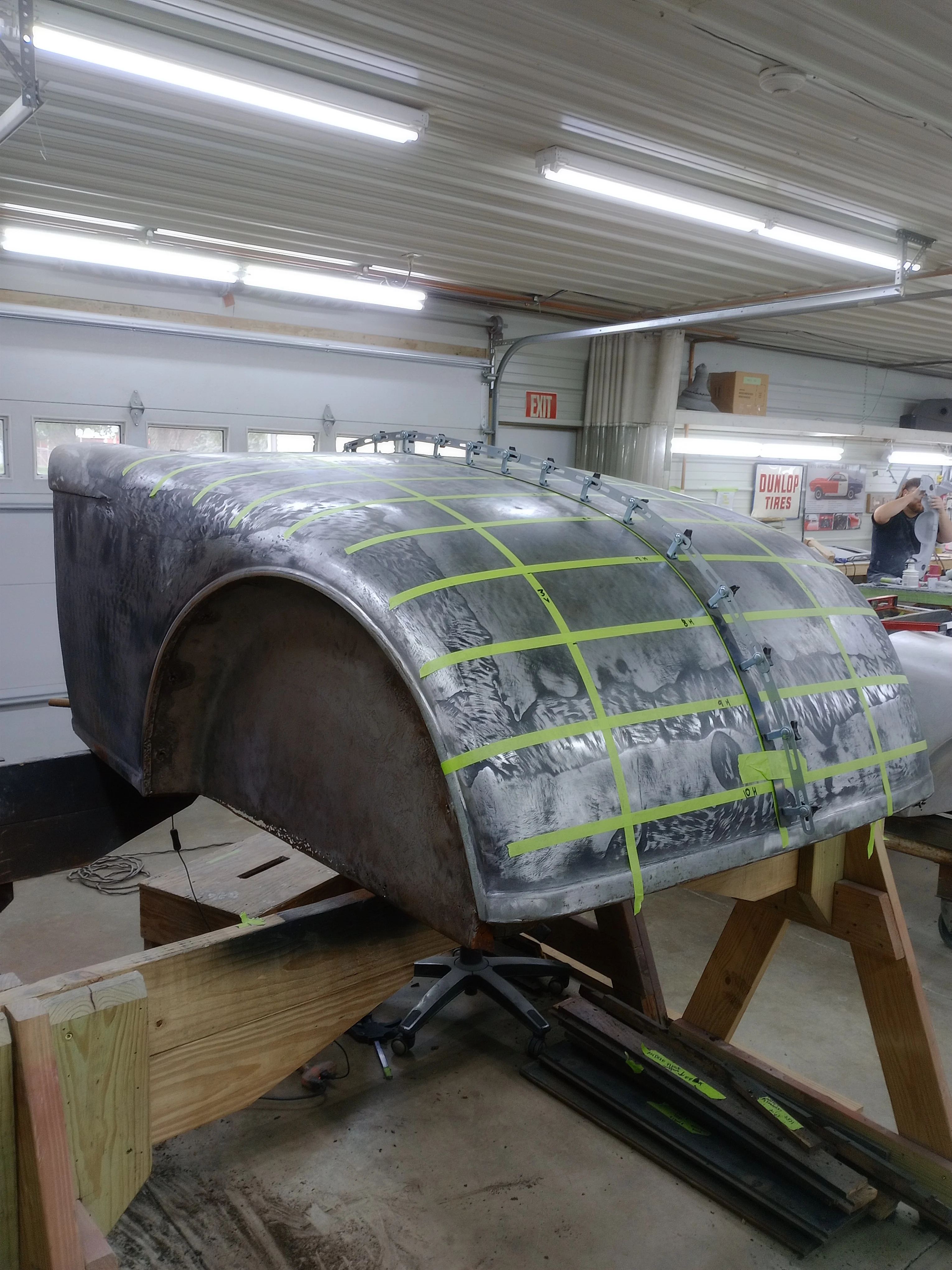
Cunat, recognizing the historical significance of the Speedster, purchased the disassembled car and embarked on the mission of restoration to its customized state. Commissioning marque experts, LaVine Restorations, a forensic level of research preceded a painstaking restoration. Extreme care was taken by LaVine to identify and preserve every detail that Peck and Stevens had incorporated in the 1939 customization. The attention to detail in the restoration of the Peck/Stevens Speedster highlights its significant history as the brainchild of visionary enthusiast Cameron Peck and an early work of prolific designer Brooks Stevens, making it a fitting recipient of the Hagerty Drivers Foundation Automotive Heritage Award at the 2026 Amelia Island Concours.



%20Opt-Out%20Icon.svg)